Realtors frequently ask whether carpet stretching conditions written into purchase contracts can create complications during a sale. The answer often depends on timing and repair methods.
Brent Tezcan
REALTOR® is a registered trademark of The Canadian Real Estate Association (CREA)
In real estate transactions, buyers sometimes include repair requests as part of their purchase conditions. One request that appears simple—but often creates complications—is carpet stretching to remove wrinkles or ripples.
From a professional carpet repair standpoint, stretching is a routine procedure. However, once a home is already under contract or sold, even standard repair methods can raise concerns for sellers.
Understanding how these repairs work—and when they should be completed—can prevent unnecessary complications during a transaction.
Realtor Advisory: Carpet Repairs in Real Estate Transactions
From a professional carpet repair standpoint, stretching carpet is a routine procedure. However, in real estate transactions, the timing of repairs can create unnecessary complications if they are addressed after a property is already sold.
Certain carpet stretching situations require the carpet to be released at doorway transitions or seams so the material can be properly tensioned across connected areas such as hallways and adjoining rooms. This is a standard industry method, not damage to the carpet.
When repair conditions are written into a purchase contract after the sale is in place, sellers may become hesitant to authorize procedures that involve cutting or releasing the carpet—even when those steps are required for a proper repair.
For this reason, it is strongly recommended that carpet repairs be completed before listing the property or before accepting an offer. Addressing flooring issues early ensures the work can be performed correctly and helps prevent misunderstandings during the transaction process.
A Real Example From the Field
Recently I was contacted regarding a property where the purchase agreement required the carpet to be stretched before possession.
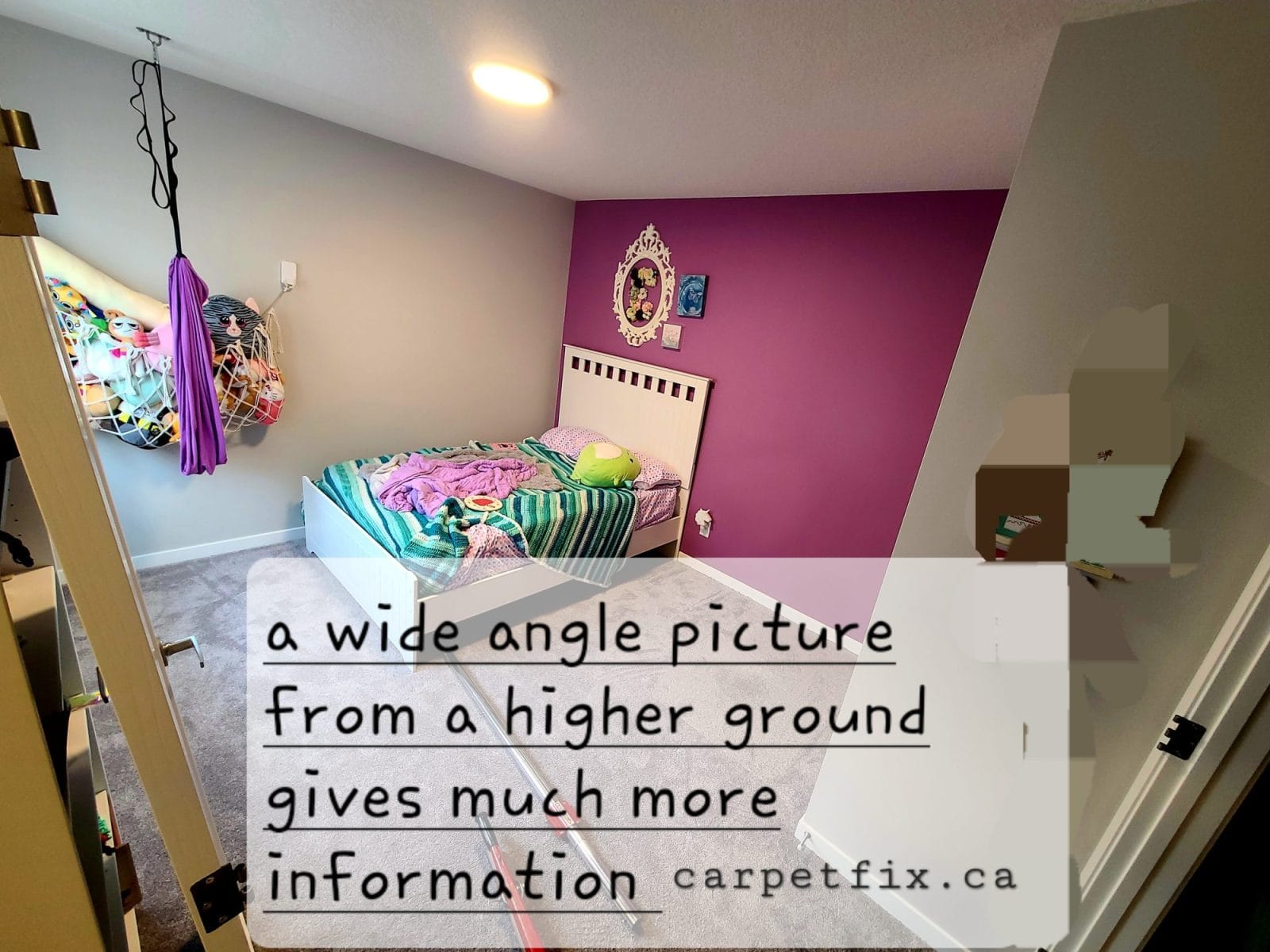
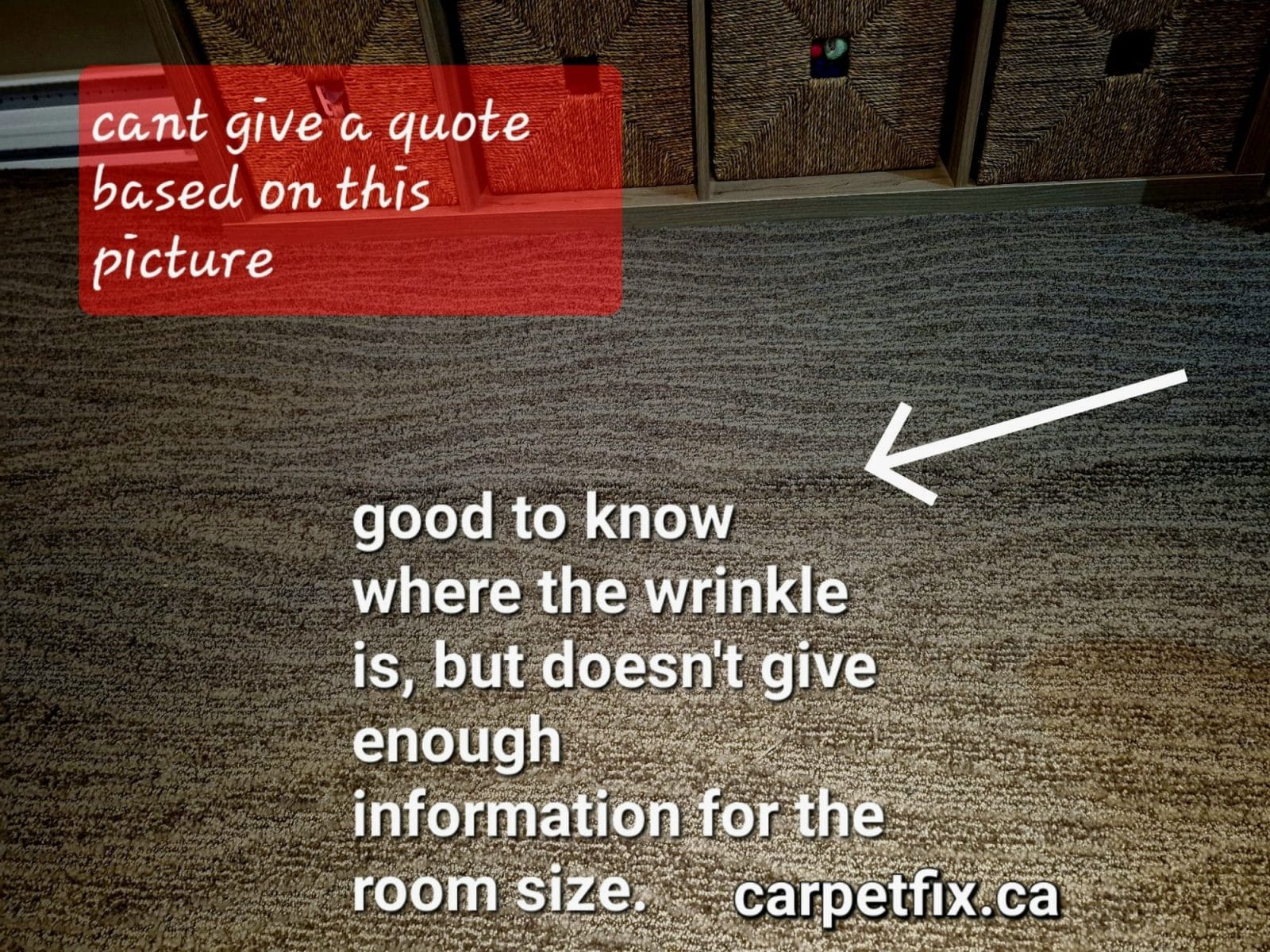
The carpet had visible wrinkles across a hallway that continued into another room. In layouts like this, a proper stretch requires the carpet to be released at a doorway seam so the entire area can be tensioned correctly.
This is standard industry practice.
However, because the property had already been sold, the seller became uncomfortable with the idea of cutting the carpet, even though this step is part of the normal repair process.
From their perspective, altering the carpet after the sale raised concerns about potential complaints or misunderstandings from the buyer.
As a result, a straightforward repair suddenly became complicated—not because of the carpet, but because of the timing of the transaction.

Why Professional Carpet Stretching Sometimes Requires Cutting
Many people assume stretching simply involves pulling the carpet tighter.
In reality, proper stretching often requires several technical steps:
- Releasing the carpet at a doorway or seam
- Using a professional power stretcher to tension the carpet across the room
- Trimming excess material where necessary
- Re-seaming and securing the carpet back onto the tack strip
When multiple areas connect—such as hallways flowing into rooms—cutting at the doorway transition is often unavoidable to perform the repair correctly.
This is not damage to the carpet. It is standard trade procedure used throughout the flooring industry.
Carpet wrinkles are one of the most common issues noted by inspectors. We discuss this in detail in our guide on carpet stretching in real estate contracts.
Where Real Estate Transactions Complicate Repairs
Once a property is sold, the dynamic changes.
Even normal repair procedures can create hesitation because:
- The seller no longer feels full control of the property
- Any modification may be questioned by the buyer
- Sellers worry about post-closing disputes
From a contractor’s perspective, the repair is routine.
From a transaction perspective, it may suddenly feel like a risk.
This is why small technical repair details sometimes become obstacles after the sale.
Professional Recommendation for Realtors
The most reliable strategy is simple:
Complete carpet repairs before the property is listed or before conditions are written into the contract.
Handling repairs early helps prevent:
- Contract repair disputes
- Seller hesitation after a sale
- Misunderstandings about repair procedures
- Delays before possession
When the work is completed prior to listing, the repair can be done properly without legal sensitivities around altering the property.
The Bottom Line
Carpet stretching is typically a quick and straightforward repair when handled at the right time.
However, once a home is under contract, even routine procedures can become complicated by contractual expectations and concerns about property modifications.
From a professional standpoint, the safest approach for both sellers and realtors is clear:
Address flooring repairs before the property goes on the market—not after the sale is already in place.
Doing so protects the transaction and ensures the repair can be completed properly.
Realtor & Seller FAQ
Can carpet stretching require cutting the carpet?
Yes. In many cases—especially when stretching connected areas such as hallways and rooms—the carpet must be released at a doorway seam so it can be properly tensioned. This is a normal and accepted industry practice.
Is cutting the carpet considered damage?
No. When performed by a professional carpet technician, cutting at a transition point is part of the repair process and allows the carpet to be stretched correctly and re-seamed.
Why do repairs become difficult after a house is sold?
Once a property is under contract, sellers may worry that alterations could lead to disputes with the buyer. Even normal repair procedures can feel risky in that situation.
When should carpet stretching be completed during a real estate sale?
The best time is before listing the home or before accepting an offer. This allows repairs to be completed properly without contractual concerns.
More Real Estate Related Resources can be Found here
REALTOR® and sellers can find more guidance in our Carpet Repair Resources for Realtors page.